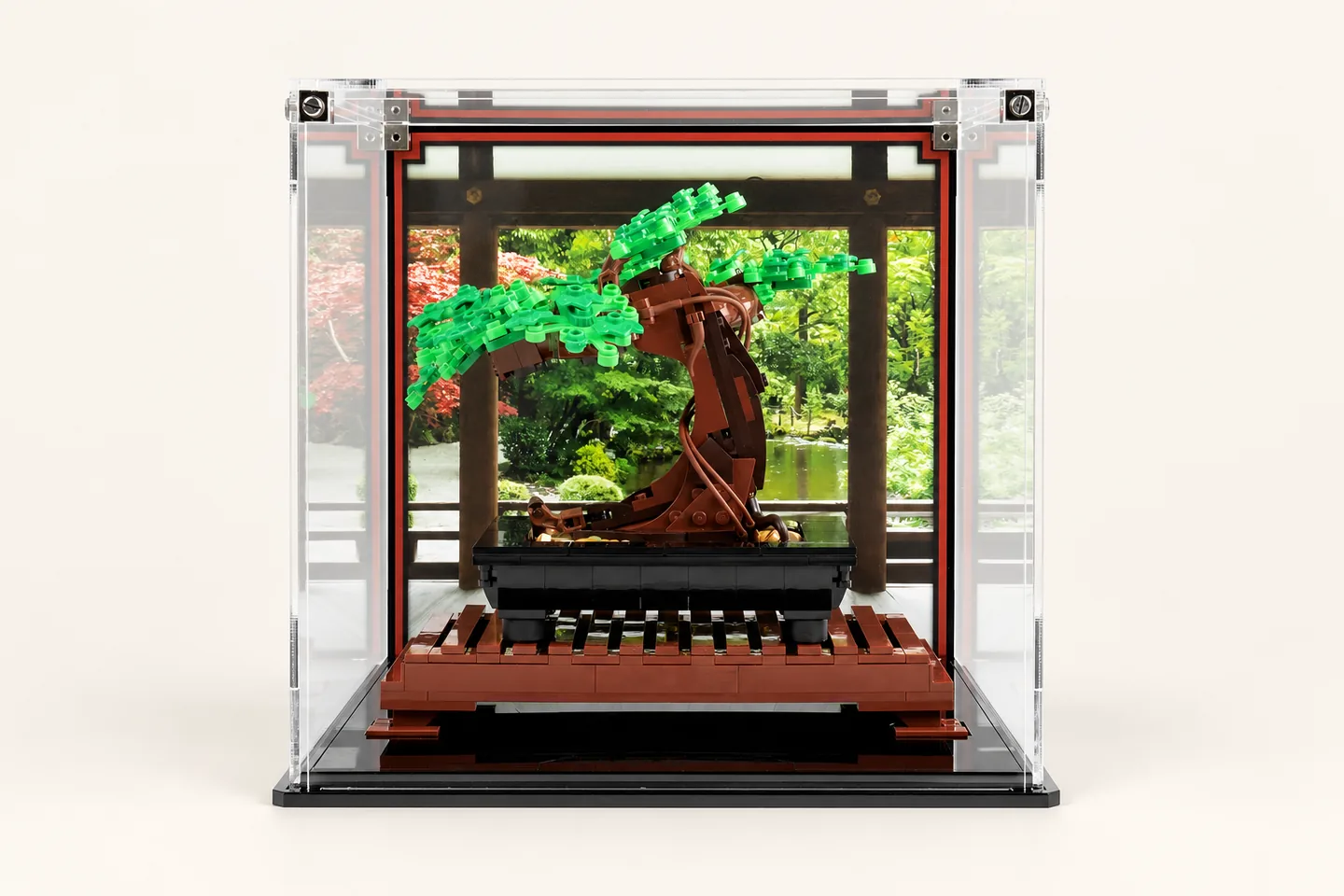
Display Case, Frame or Cabinet: Which Should You Choose?
Compare display cases, frames and cabinets by collection size, usable space and access. Choose a format before measuring and shortlisting specific products.
Explore LEGO display ideas for shelves, walls and cabinets. Compare space, access and care, then follow practical guides for the arrangement you want to plan.
A LEGO display can be one finished model on a shelf, a small scene inside a case or a growing collection spread across a cabinet. Choose the arrangement you want to see before treating a particular display format as the answer. Include stands, loose accessories and any custom additions in that plan.
This topic brings the main decisions into a useful order. It does not claim that a named set fits an unidentified enclosure, and it does not replace measuring your completed build.
Start with the comparison of cases, frames and cabinets if you are still choosing a format. Then use the measurement guide to record the complete build, the usable space inside the display and the room needed to open it. Those measurements answer different questions.
For a shelf case, check the case footprint against the shelf and rehearse removing the cover. For a group of frames, the wall planner provides a general layout method. Check the exact frame, usable depth and supports for your LEGO objects. For a cabinet, consider usable shelves and access as well as the outside furniture size.
Use the materials guide to identify which product details you need from a supplier. A material name is not a dust rating or a verified UV claim. Use the lighting planner when room reflections or a dark shelf are part of the problem; it separates the viewing question from the requirements of a specific lighting system.
The selected guides below provide the detailed methods and questions. Keep one record for the exact set, display pose and shortlist, and update it when the arrangement changes. A new stand or extra scene can change the fit even when the set number stays the same.
| Your starting point | A practical idea to investigate | Next guide |
|---|---|---|
| One completed build on a shelf | Give the complete scene an individual enclosure with a workable cover route | Plan a shelf display case |
| A group of smaller models on a wall | Lay out the real objects and supports before choosing the frame | the shadow-box usable-depth guide |
| Several groups sharing a cabinet | Organize shelf space around complete objects and convenient access | Measure the arrangement |
| An existing acrylic enclosure | Plan cleaning around the actual panel, base and background materials | the acrylic case cleaning checklist |
Start with the exact set and intended pose whenever a compatibility question is involved. Shelf, wall and cabinet arrangements solve different space problems; a product photograph is an example to investigate rather than evidence that your whole collection will fit.
For a wider choice of material or lighting, continue with acrylic versus glass or display lighting planning.
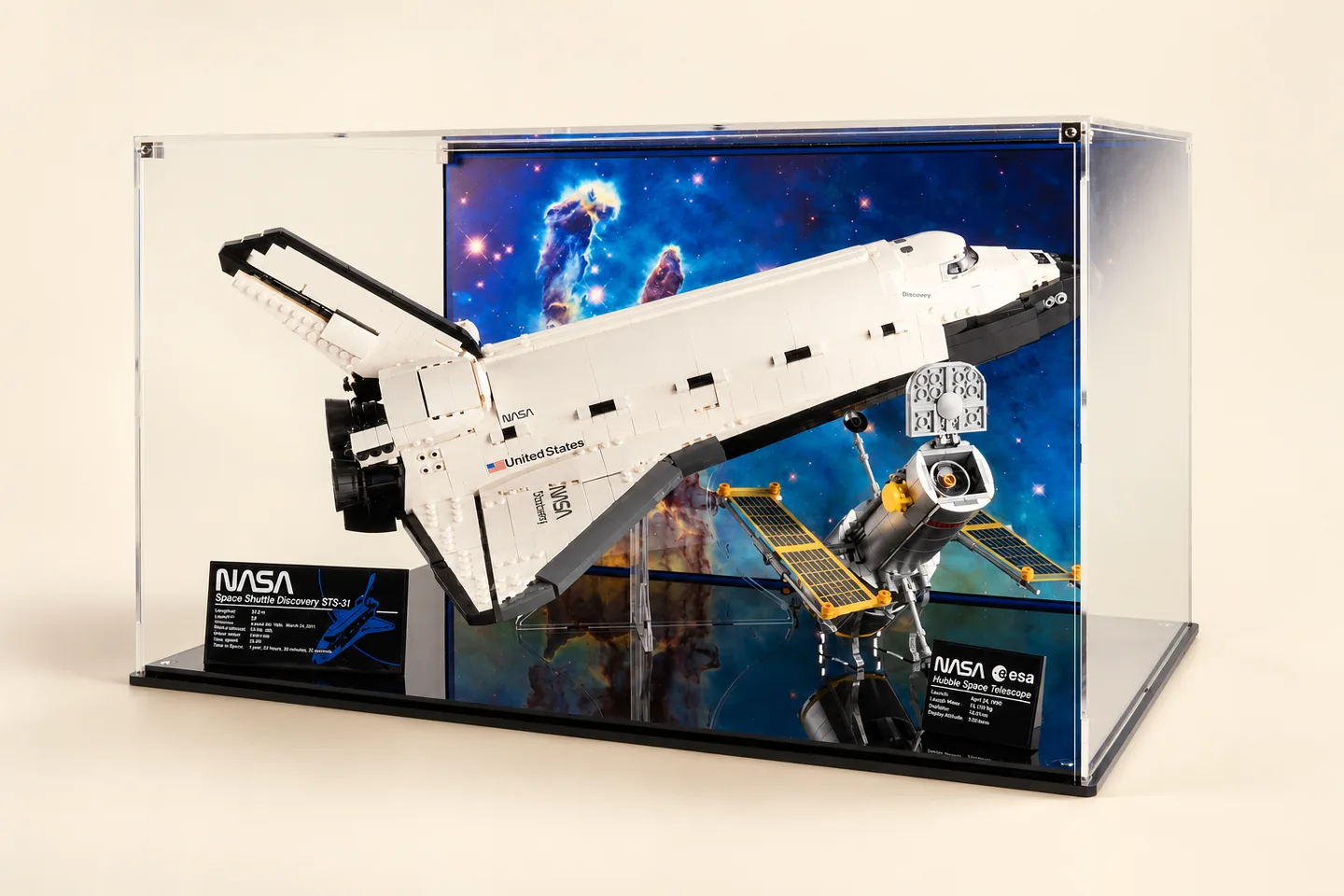
Compare display cases, frames and cabinets by collection size, usable space and access. Choose a format before measuring and shortlisting specific products.
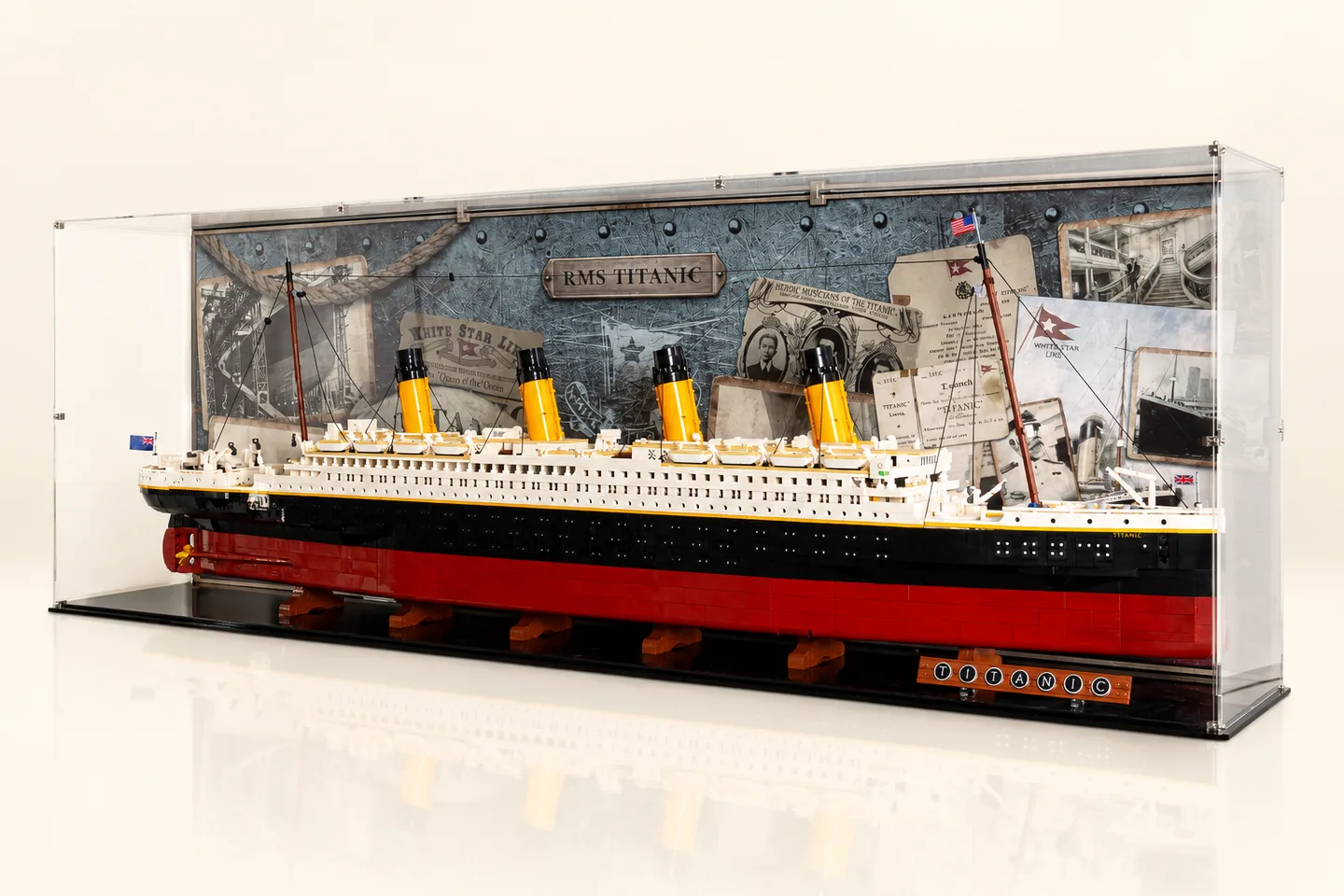
Measure your collection, usable display space and opening route. Download a record to compare display cases, frames and cabinets with consistent definitions.
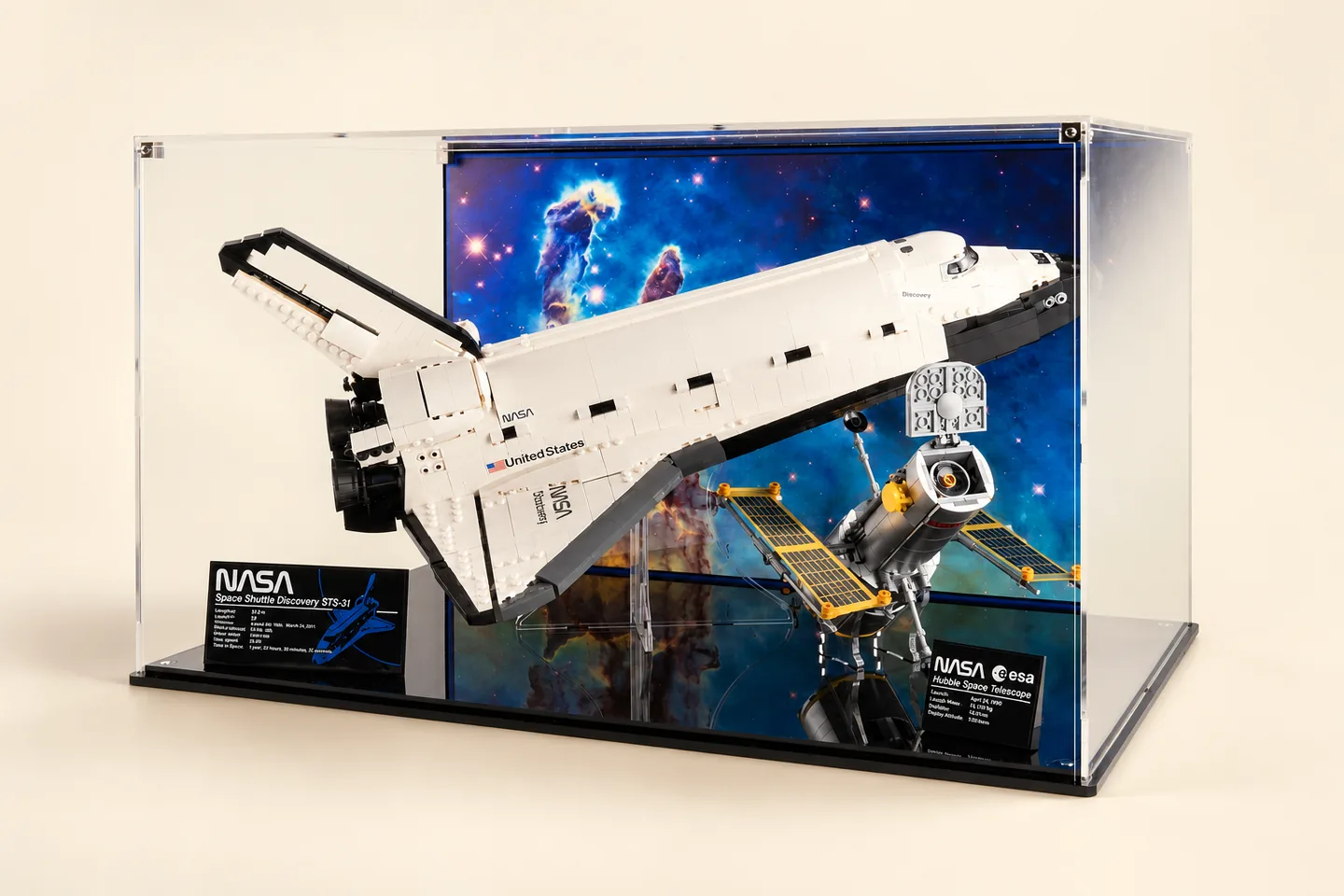
Choose a display case for a LEGO build on a shelf. Check the exact set, display pose, internal space, case footprint and the room needed to remove the cover.
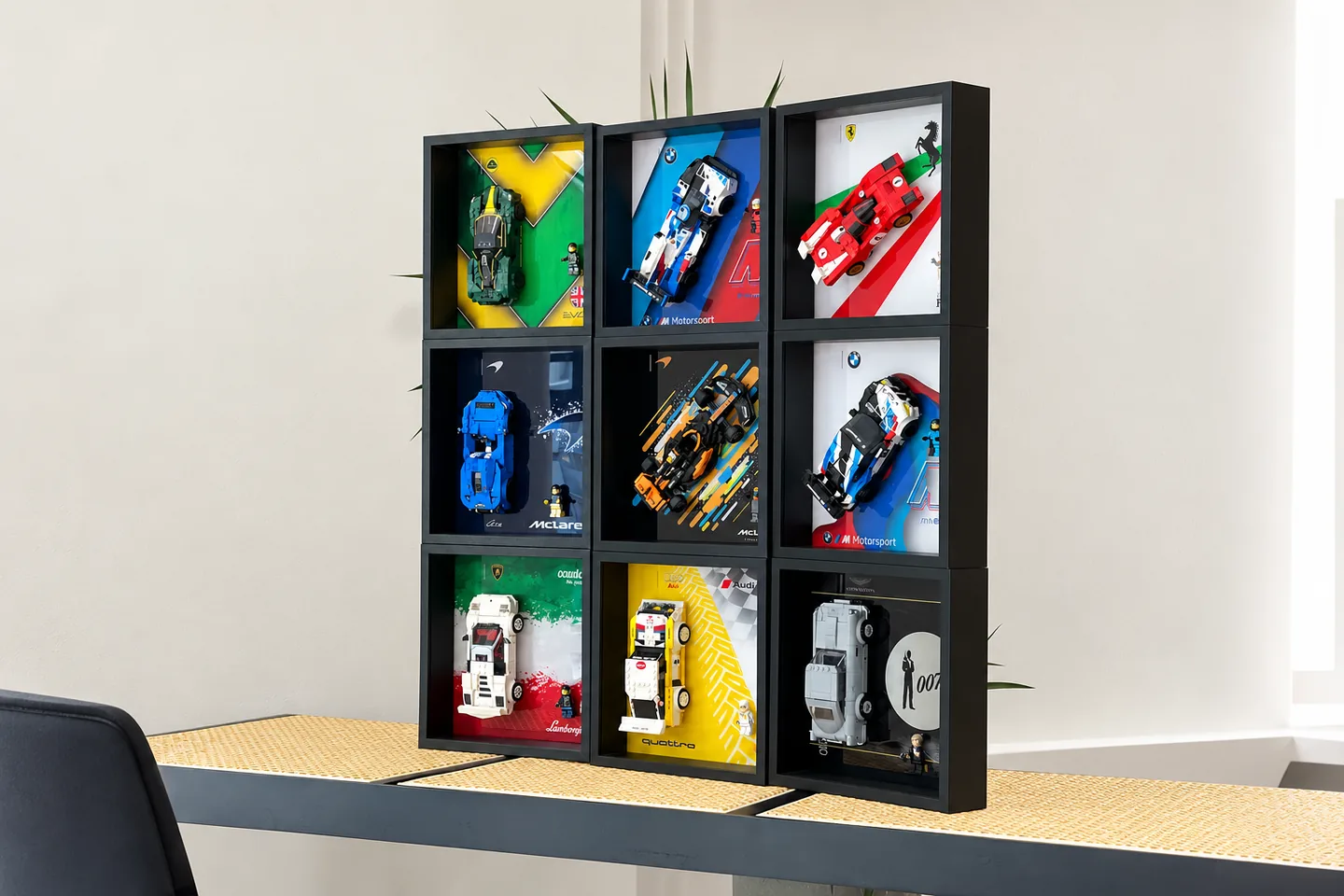
Plan a collection wall with full-size frame outlines. Check usable depth, opening access, room layout and future additions before choosing mounting positions.
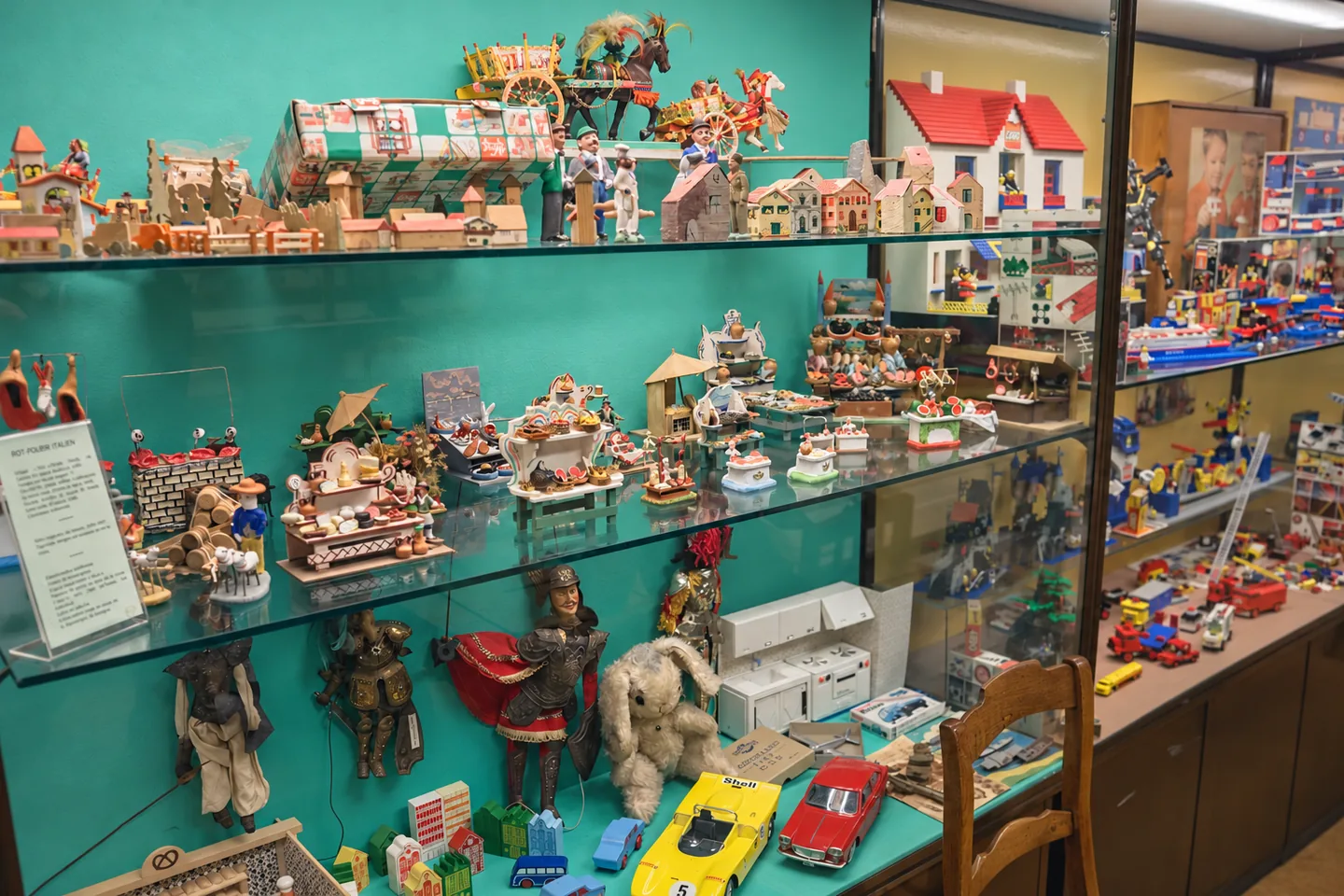
Compare acrylic and glass display cases by usable space, panel specification, care and product claims. Check the complete enclosure before choosing a material.

Plan cabinet lighting around your collection. Check viewing angles, reflections, cable routes, light exposure and access using the exact product instructions.