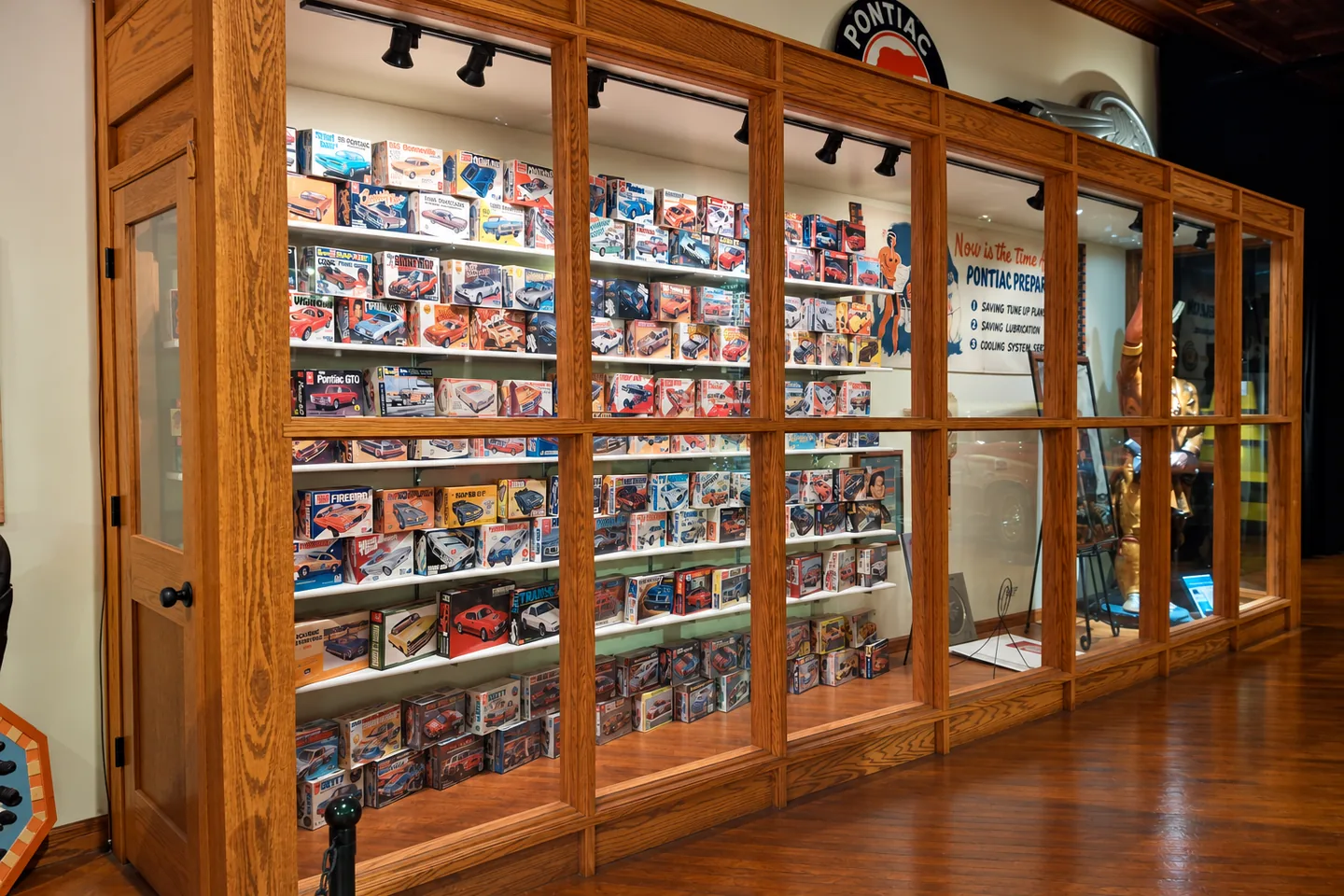
Cover reference: Xnatedawgx · CC BY-SA 4.0 · AI-assisted composition and tonal edits; reference illustration, not a product test.

To reduce dust in a display cabinet, first check how the doors, panel joints and accessory openings close. Use the cabinet maker’s approved adjustment or sealing options where available, keep required ventilation clear and review how often the display is opened. A closed door alone does not establish that a cabinet is dust-proof.
This guide helps you diagnose an existing cabinet and prepare specific questions for its maker. It does not assign an airtightness rating or recommend a universal strip thickness. If you are still choosing furniture, start with our display cabinet selection guide.
Start with a simple cabinet map
Photograph the cabinet empty where practical, or work around objects without putting them at risk. Label the doors, hinges, overlaps, back panels and existing cable routes on your own photo or sketch. Record the cabinet model and the assembly instructions you are using.
In its technical bulletin on display-case airtightness, the Canadian Conservation Institute identifies interfaces, access points, deteriorated gaskets and accessory through-holes as places to examine. It also distinguishes a visual survey from a measured assessment. For a home cabinet, the useful first step is a record of what you can actually see.
| Area to inspect | Record this | Question for the maker |
|---|---|---|
| Door edges and meeting points | Where a door closes, overlaps or leaves a visible gap | Is this the intended gap, and is there an approved adjustment or seal? |
| Hinge and latch areas | Whether closure differs between the top, middle and bottom | Which adjustment is permitted for this model? |
| Back and side panel joints | Loose, shifted or visibly open interfaces | Should the assembly be corrected before adding another material? |
| Existing seals | Missing, damaged or poorly seated sections | What replacement profile and material are specified? |
| Cable and accessory openings | The original route and the equipment it serves | Is a compatible pass-through or closure available? |
| Ventilation openings | Openings identified in the equipment or furniture instructions | Which openings must remain unobstructed? |
Visible dust on one shelf does not identify a single entry point. Record the observation without treating it as proof that the adjacent seam caused it. A photograph of a small gap is also not an air-exchange measurement.
Compare the remedies before buying materials
The CCI’s pollutant-control guidance describes gaskets and sealed joints as ways to improve enclosure airtightness, while warning about pollutant-emitting materials introduced during construction or retrofitting. Adding an adhesive or sealant therefore deserves its own compatibility check.
| Option | When to investigate it | What still needs checking |
|---|---|---|
| Correct the existing assembly | A door or panel does not sit as shown in the instructions | The permitted adjustment and whether it restores normal operation |
| Replace an existing gasket | A fitted seal is missing or deteriorated | The specified replacement, attachment and closure requirements |
| Add a maker-approved sealing accessory | The maker offers one for the exact cabinet | Its compatibility with the finish, hinges, locks and intended opening |
| Use an individual enclosure inside the cabinet | A small group needs a separate enclosure | Its complete outside size, access and care requirements; its own protection claims |
| Change the display routine | Frequent access or nearby activities may be relevant | Whether the new arrangement remains convenient and whether observations change |
A strip that prevents a door from closing normally has not completed the task. Do not compensate by forcing the glass, latch or hinges. Return to the specified parts and fitting instructions. Likewise, a cable must not be pinched simply to make the surrounding gap look smaller.
Keep ventilation and lighting decisions separate
Review the instructions for fitted lights, drivers and other equipment before changing any opening. A cable route and a ventilation provision can look similar in a photograph; identify their purpose rather than sealing them indiscriminately.
If a proposed change affects electrical equipment or the structural assembly, ask the relevant maker or installer to assess it. The display lighting planner can help you record equipment positions, access and cable routes before that discussion.
Make access easier to manage
Consider which items you reach for frequently. An arrangement that requires removing several objects for a single photo encourages longer opening sessions and repeated handling. Plan a clear route to the frequently used group while keeping the complete objects and their supports within the usable shelf area.
Keep cabinet cleaning separate from collection cleaning. Different objects may have different care requirements, and an enclosure’s panel instructions do not approve a treatment for everything inside it. For acrylic panels, use the component-based acrylic cleaning checklist.
Keep a maintenance diary instead of claiming a dust rating
Download the cabinet dust observation record. Record the date, shelf, visible condition, opening routine and changes you made. Note unusual room activities as context.
Change one practical item at a time where possible. For example, document an approved hinge adjustment before adding another accessory. That makes your notes more useful when asking for support. A home diary cannot establish a laboratory removal percentage, standardized dust-protection class or preservation guarantee.
Can a cabinet become completely dust-proof?
Do not assume complete exclusion from the word “enclosed” or from an attractive photograph of a seal. Ask the supplier what its claim means, which cabinet configuration it covers and whether supporting information is available. If no rating has been supplied, keep it recorded as an unanswered specification.
Use the inspection map to improve the questions you ask: “Is this door gap intentional?” is more actionable than “Which foam should I buy?” The aim is a cabinet that still closes, opens and supports the collection as intended, with maintenance decisions you can explain.
Research note: Prepared by DisplayCasePro using the conservation references linked above, checked 16 October 2026. The tables are an original diagnostic worksheet, not a measured leakage test or instructions for modifying a particular cabinet.
Comments
Share a display tip or ask a question.